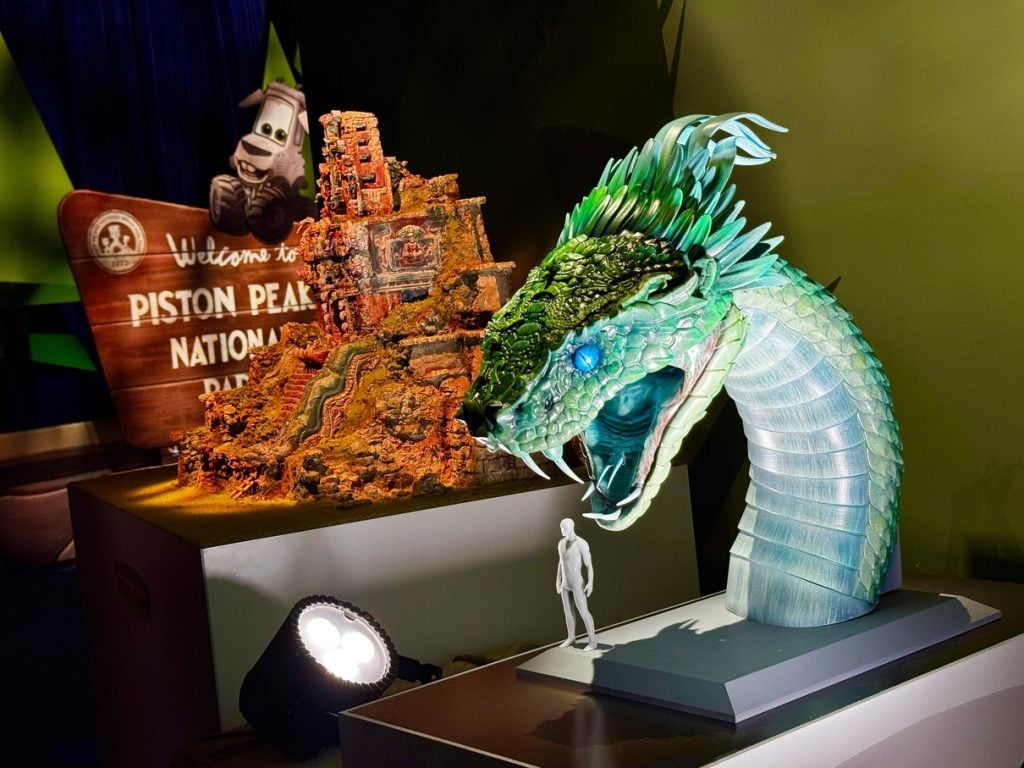
Indiana Jones will be facing a MASSIVE serpent when his new adventure opens at Disney’s Animal Kingdom, but Imagineer Joe Rohde says there’s considerably more behind the creature than Indy’s well-documented dislike of snakes.
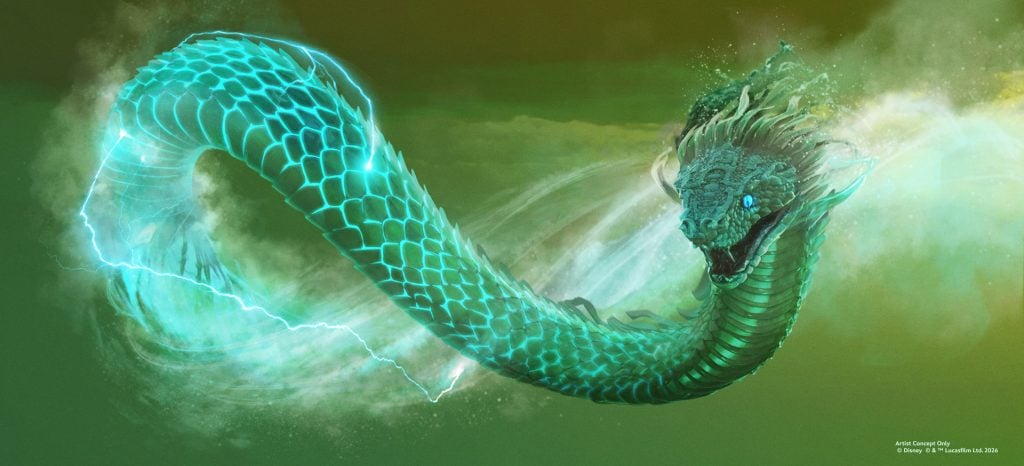
Indiana Jones and the Myth of the Jade Serpent is currently under construction as part of the new Tropical Americas land replacing DinoLand U.S.A. During the adventure, guests will encounter Tsukán (pronounced tsoo-KAHN), a giant jade serpent that will eventually appear as a larger-than-life Audio-Animatronic.
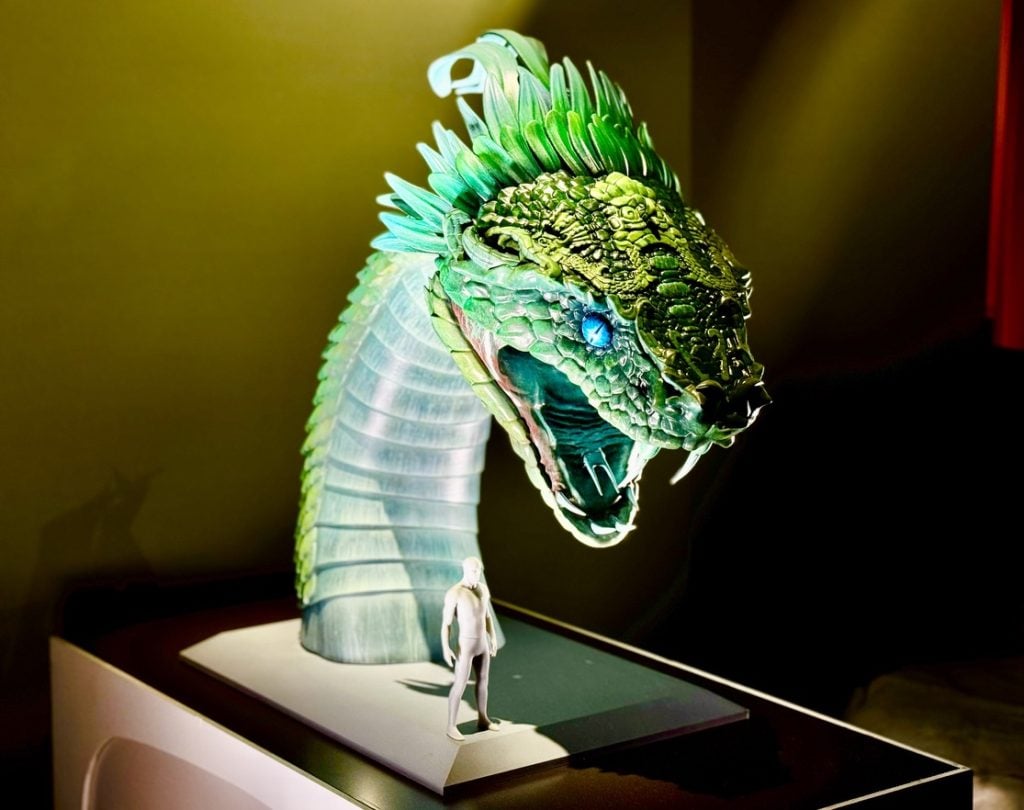
Following the creature’s appearance at D23, Rohde shared more about the real-world mythology that inspired Tsukán and how the story follows a philosophy long associated with Disney’s Animal Kingdom:
“Back at D23 a week ago, I’m sure visitors to the Imagineering booth would’ve noticed the big jade-colored, serpent-like creature who will be featured in the new attraction, Indiana Jones and the myth of the Jade Serpent.
But what exactly is the myth of the Jade Serpent? Well, much like the myth of the yeti at Expedition Everest, it is not something the team made up. Like all Disney’s Animal Kingdom teams, Joan Hartwig’s team has done their homework. This “Jade Serpent” called Tsukan, is a real living, contemporary Maya myth, in exactly the same way that the yeti is a living Himalayan oral tradition. And like the yeti, this creature is another kind of environmental protector, defending the sanctity, purity, and fertility of the cenote, and the water contained within.
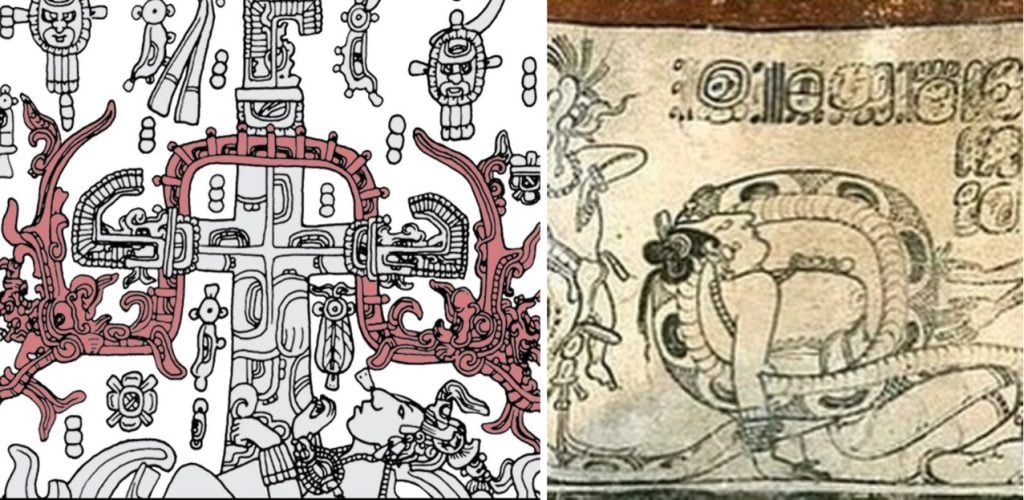
— Photo credit: Joe Rhode
In the Mayan language, the idea of serpents, and the idea of heavenly things is sort of conflated because when spoken out loud, the original word for snake and heavens sounds almost identical. Kaan. So you will often see stylized snakes represented in Maya art, where no snake is intended. Instead the snake is supposed to represent the sky or the heavens in some way. The last image included here of the woman encircled by a snake is more or less symbolically the moon in the sky. As a matter of fact, if you look straight at the head of Tsukan you can see one of these heavenly serpents across its brow.
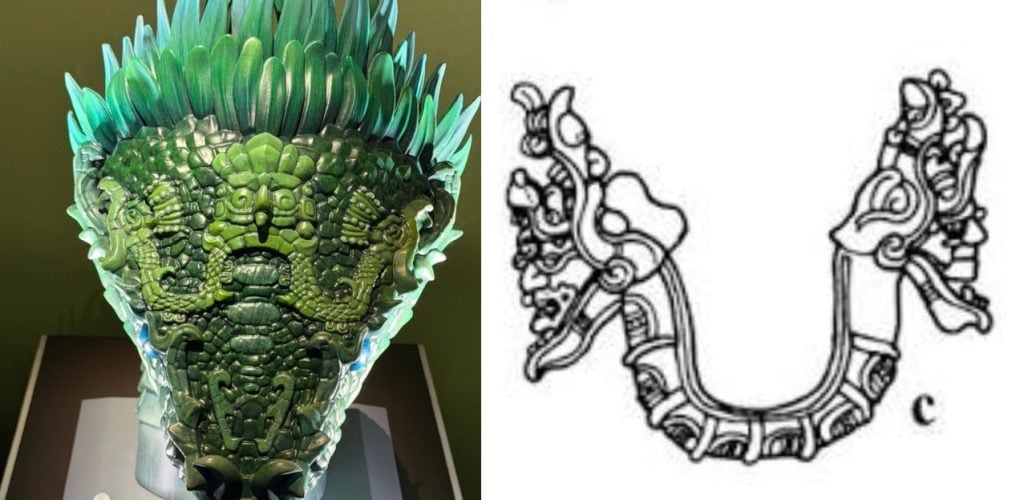
— Photo credit: Joe Rohde
So, while there is, of course, the superficially humorous juxtaposition of Indiana Jones versus a giant snake, there is, as with everything at Animal Kingdom, much more to be learned, and a richer, more culturally, and environmentally relevant story to be told. so when the attraction finally opens, do not rush to be first in line, walk very slowly… looking closely at every detail.”
Some of the park’s best storytelling happens before you ever board an attraction. Expedition Everest is a great example (also thanks to Rohde), with its queue gradually introducing the culture of the fictional village of Serka Zong and building the legend of the Yeti before riders encounter the creature themselves.
Rather than simply giving Indiana Jones a giant snake to battle, Imagineering is using an existing tradition to establish why the serpent is there, what it protects, and why encountering it might be a very bad idea for Indy. Snakes… why does it have to be snakes?
Rohde’s advice is also a good reminder not to race through the queue when Indiana Jones and the Myth of the Jade Serpent eventually opens. Taking the time to notice those smaller details can completely change an attraction experience. By the time you strap into the ride vehicle, the adventure has already begun.
What do you think of the deeper story behind Tsukán and Disney World’s own Indiana Jones ride?