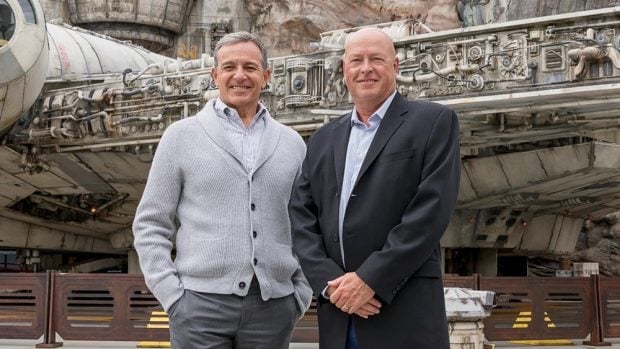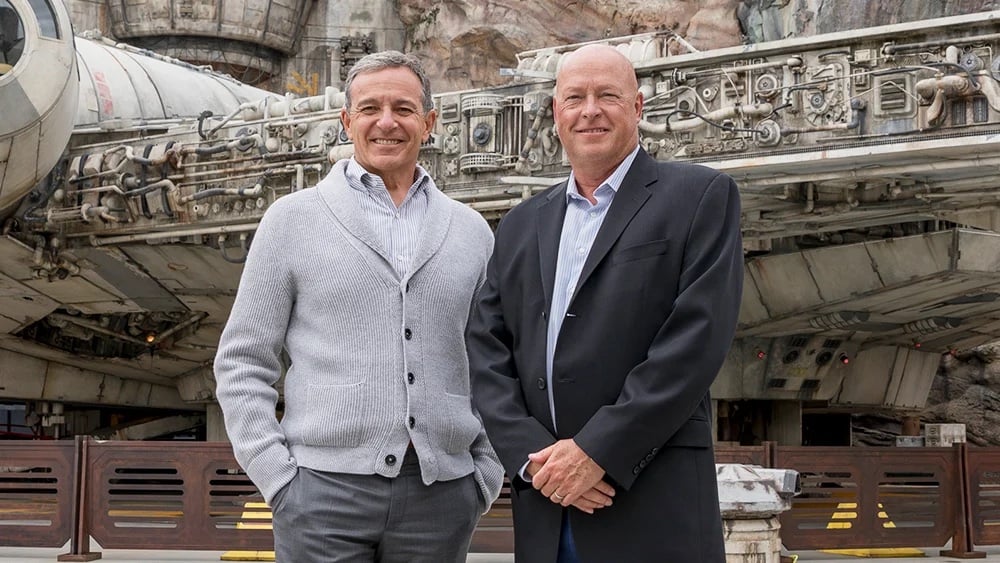
I have to admit, watching Bob Chapek and Bob Iger publicly revisit the Disney CEO saga years later has left me with one pretty simple thought: maybe this is part of the problem. The recent excerpts from Chapek’s memoir, Behind the Castle Walls, have reignited the very public postmortem over his time as Disney CEO, including his account of his relationship with Iger, his belief that Iger ultimately undermined him, and his assertion that he did “nothing” wrong. Chapek has also claimed, and seemingly wants credit, that he repeatedly pushed for Josh D’Amaro’s advancement within Disney.
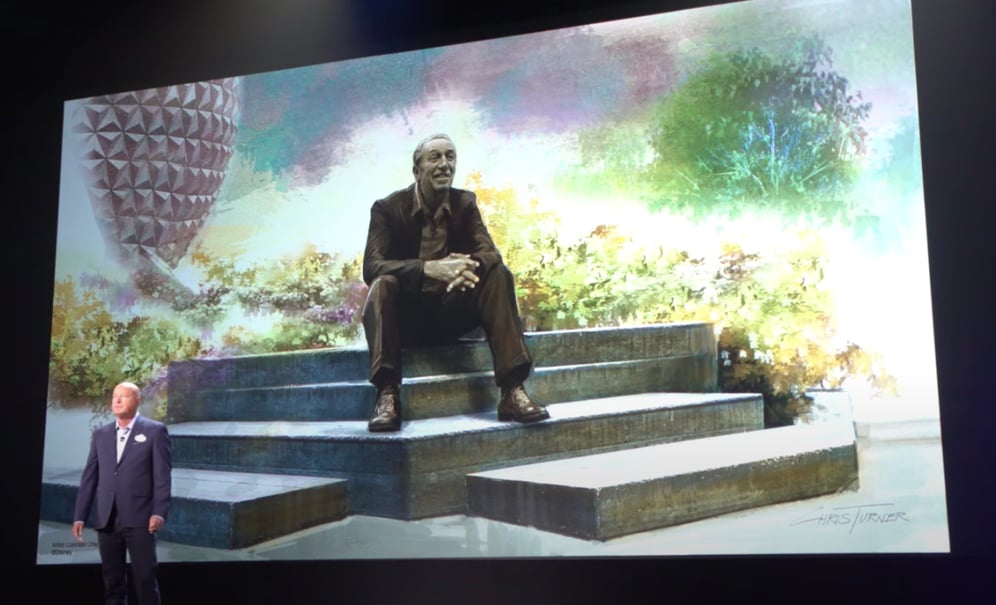
And then there is Iger’s response, which was delivered without even mentioning Chapek by name. In a recent Harvard Business Review interview, Iger acknowledged that the succession process that resulted in Chapek becoming CEO in 2020 “wasn’t as thorough as we thought,” saying in part that they believed they knew him extremely well and may have discounted some of the weaknesses they already knew about. Iger also reflected on what he now believes Disney needs from a CEO, particularly someone capable of navigating an environment of constant crisis.
Look, I understand that leadership transitions at a company as enormous as Disney are complicated. I also understand why former executives would want to tell their side of the story. But watching former CEOs publicly trade explanations over who knew what, who was responsible, who discovered whom and who got the succession process wrong is difficult to reconcile with the company they were supposed to be leading. And this is only what we are seeing publicly. It makes me wonder how much time and energy inside the company was spent on personalities, relationships, succession, and protecting individual legacies rather than simply asking the most important question: What is best for Disney and the people who actually pay for it?
That is what makes this whole saga particularly frustrating for me as a Disney fan. During the Iger-Chapek years, guests experienced plenty of changes that generated frustration, from rising prices and new paid offerings to changes in the theme park experience and plenty of decisions that made Disney feel less focused on the guest. I’m not saying every one of those decisions can be traced back to a leadership feud, because that would be impossible to prove. But when you see the people at the top still discussing the old battle years later, it is hard not to wonder whether the company sometimes became too focused on the people running Disney rather than the people experiencing it.
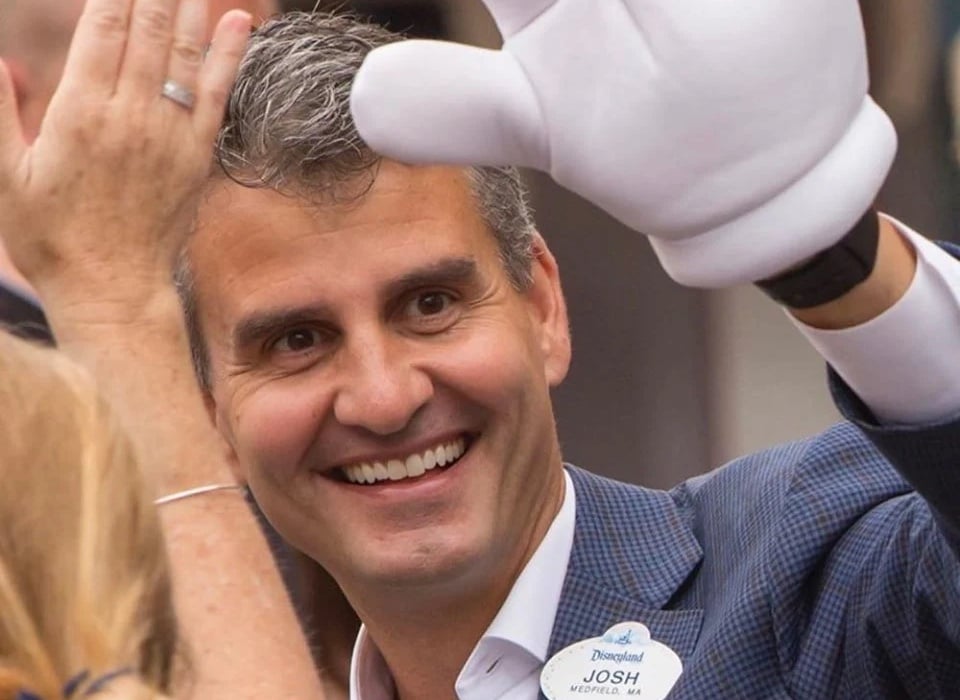
And honestly, this is one reason I find myself somewhat hopeful about Josh D’Amaro. That doesn’t mean I suddenly love every decision Disney is making under his leadership. Prices continue to rise, there are still cutbacks, the company has increased its use of AI, and so there are plenty of things Disney fans can criticize. But at least D’Amaro comes seemingly without this need to blame, point fingers, or self-congratulate.
Maybe I’m reading too much into it, but I hope this next chapter is less about CEOs worrying about who gets credit for what happened before and more about actually building what comes next. Disney doesn’t need another chapter of executives arguing over their legacy. It needs leadership that is focused on the guest, the cast members, the creators and the long-term health of the company. If D’Amaro can leave the personal drama behind and focus on that, while still addressing the very real concerns Disney fans have about prices, value and the guest experience, I think there is plenty of reason to be hopeful about where Disney goes from here.