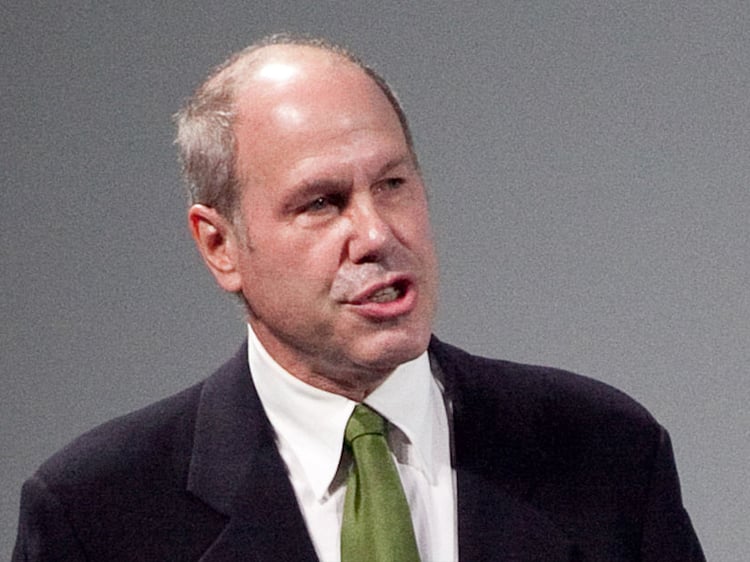
In a recent interview on ‘In Depth with Graham Bensinger‘, former Disney Company CEO Michael Eisner expressed frustration with how expensive a Disney vacation has become. He said he is not thrilled that it now costs so much to visit Disneyland or Walt Disney World, and he also pushed back on the growing number of paid add-ons that make it harder for every guest to feel like a VIP, clearly referencing things like Lightning Lane and other upcharges.
Here is my hot take. I say this as someone who loved the Eisner era and believes he captured much of the creative energy and ambition associated with Walt Disney. But Eisner is also part of the story of why Disney vacations became so expensive.
Before the comment section jumps in to defend him, let’s stick to the timeline.
The first sustained point where Disney ticket prices began rising faster than inflation was 2003. The CEO at that moment was Michael Eisner. From 2000 to 2003, single-day admission at Magic Kingdom rose from roughly $46 to about $52, increases that mostly tracked normal inflation. But beginning around 2004 and continuing through the rest of the decade, prices began rising around 5 to 9 percent per year while U.S. inflation averaged closer to 2 to 3 percent. Even during 2009, when inflation briefly went negative, Disney still raised ticket prices.
Now, the increases were far smaller than what would come later, and yes, prices exploded much more dramatically under Bob Iger and even more aggressively under Bob Chapek. By the late 2010s, annual hikes regularly approached or exceeded 7 to 10 percent, multiple times the rate of inflation, and from 2000 to 2021 ticket prices rose roughly 220 percent compared to about 58 percent cumulative inflation.
But the inflection point matters. The moment the company proved it could raise prices above inflation without hurting attendance, the entire economic logic of the parks changed. What began as a modest adjustment became a repeatable strategy, and once leadership and shareholders saw that guests continued to come in the same numbers, pricing power became a core lever rather than a last resort.
Once leadership and shareholders saw that guests would still come, the model shifted from growing attendance to maximizing revenue per visitor. You cannot demonstrate that pricing power works and then expect future executives not to lean into it. After that proof of concept, higher pricing becomes a tool, then a strategy, and eventually a core philosophy.
There were real external pressures at the time. Post-9/11 travel declines and rising operating costs, and Eisner needing to fend off a battle with board members who wanted him replaced, all likely were part of what forced the issue. Eisner did not spend most of his tenure aggressively raising prices, and it would be unfair to define his legacy by those final years. But it is equally inaccurate to say he had nothing to do with the change. The structural shift began on his watch.
So the fairest way to frame it is this. Eisner did not create modern expensive Disney, but he presided over the moment Disney learned it could exist. The later leadership teams simply expanded the strategy he proved would work. Unfortunately, that early proof of concept became something that could never really be walked back. What began as a response to circumstances turned into a permanent business model, growing year after year, decision after decision. More than twenty years later, the consequences are still with us, shaping every trip and every purchase, a reminder that once the industry learned how much guests would tolerate, there was never going to be an easy way to unlearn it.