This is not a democracy. Disney fans do not get a vote. At least not in the traditional sense. There was a time when it felt like we did. We voted with our dollars. If prices went too high or the experience slipped, attendance softened, and the company adjusted. That dynamic has changed, and with it, the influence fans once held has largely disappeared.
Disney has priced out a significant portion of the audience that once served as that economic check. What remains are two groups. The first is made up of deeply loyal fans who are so emotionally invested that they continue to return regardless of declining service, reduced ride maintenance, or the steady erosion of what used to be called the Disney difference. The second group consists of guests with enough disposable income to absorb rising prices, purchase every add on, and treat a Disney vacation as a luxury status symbol. Neither group meaningfully pressures Disney’s bottom line, and as a result there is little incentive for the company to make broad, meaningful changes to restore the level of quality that once defined a Disney vacation.
When there is no financial consequence for declining satisfaction, listening becomes optional. Even though attendance has dropped since 2019, revenue continues to rise. Complaints stay largely confined to social media and fan forums. From a corporate perspective, the system is working.
That is what makes recent investment decisions feel especially disconnected from the guest experience. Disney announced a $1 billion equity investment in OpenAI. In isolation, it is understandable. No major entertainment company wants to be left behind as technology reshapes content creation and distribution. But the question is not whether Disney should invest in the future. The question is whether that billion dollars meaningfully improves the experience for guests and fans, or whether it functions primarily as insurance to protect the company if artificial intelligence disrupts the entertainment industry. From the outside, it feels far more like self-preservation than guest-focused innovation.

The same concern applies to Disney’s $1.5 billion dollar investment in Epic Games. Together, those two investments total $2.5 billion dollars. To put that into perspective, that amount is roughly equivalent to the cost of building both Galaxy’s Edge at Disneyland and Disney World, and still have half a billion left over. At the same time, Disney continues to squeeze every possible dollar out of the parks experience through higher ticket prices, paid line skipping, removed perks, and services that once existed but now either cost extra or no longer exist at all.
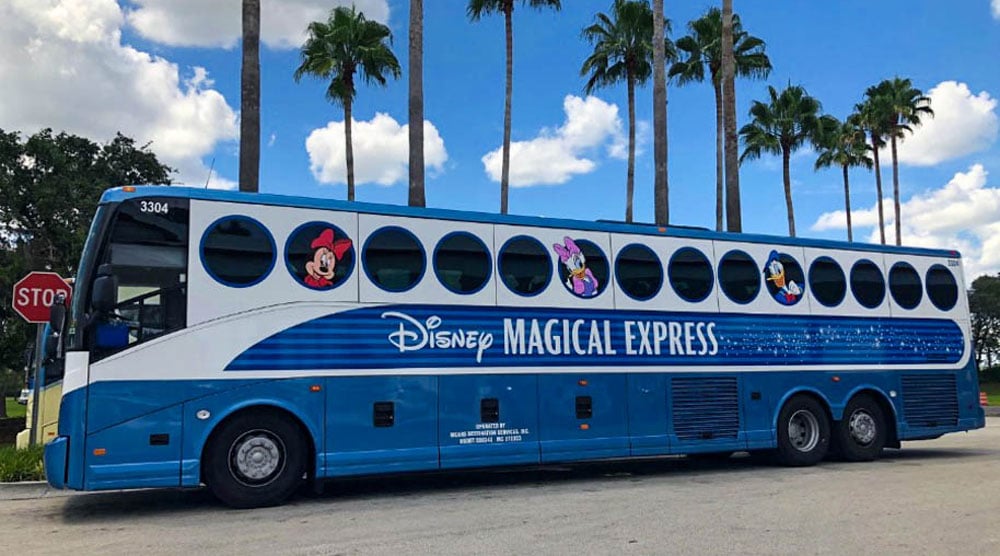
$2.5 billion dollars could have funded years of Magical Express. It could have reversed entertainment cutbacks. It could have meaningfully improved staffing, maintenance, and guest experience across the parks. Instead, the parks, which remain Disney’s most consistent and highest performing division, increasingly feel like they are carrying the financial weight of the entire company while their own quality slowly declines.
None of this is to say Disney should stop investing or avoid risk. The acquisitions of Marvel and Star Wars were massive bets that reshaped the company and paid off in meaningful ways. Investment is essential. But when the division that reliably outperforms every other part of the business is asked to do more with less, while fans are told to pay more for a diminished experience, frustration is inevitable.
Disney does not listen to fans because it does not need to. The remaining audience keeps showing up. The revenue keeps growing. Until that changes, the incentive structure will not. And the longer that gap between price and experience widens, the more the parks risk losing not just goodwill, but the very standard that once made Disney vacations feel worth defending in the first place.