Travelers who arrive at airport security checkpoints without a REAL ID or a valid passport will soon face a new charge. The Transportation Security Administration announced that beginning February 1, 2026, anyone without an acceptable form of identification will be required to pay a $45 fee to continue through screening.
The fee marks the next phase of the agency’s REAL ID implementation process. Travelers who do not present a compliant ID will need to verify their identity using TSA’s biometric or biographic verification system. This process must be completed before the traveler can proceed in the security line.
Last month, TSA detailed this proposal in the Federal Register. At that time, the fee was expected to be $18. The agency has since raised it to $45. TSA explained that the fee is designed to cover the administrative and technology costs of operating the verification program. By charging the traveler, the agency says taxpayers will not absorb the expense.
Travelers who know they will arrive at the airport without a REAL ID or passport can complete the verification steps online once the program begins next year. TSA.gov will list instructions for identity verification and payment. After completing the process, the traveler receives an email confirmation to present to the TSA officer at the checkpoint.
TSA estimates the verification process will typically take 10 to 15 minutes. It may take 30 minutes or longer in some cases. Even after verification is complete, TSA cautions that clearance through the checkpoint is not guaranteed.
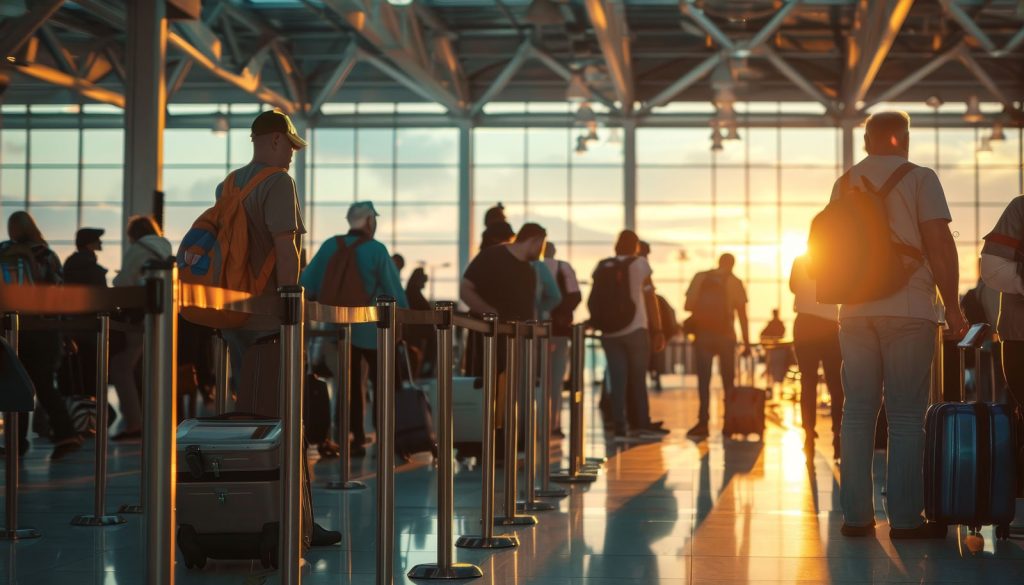
Anyone who reaches the checkpoint without a compliant ID will have to leave the line to complete the online steps. The same fee applies to travelers with a lost or stolen REAL ID or passport. Once a traveler finishes verification, the fee covers access through TSA checkpoints for up to ten days. After that period, any traveler without a REAL ID will need to pay again.
TSA says about 94 percent of travelers already use a REAL ID or another acceptable form of identification. The remaining travelers will need to prepare for this new requirement once it takes effect on February 1, 2026.
Source: ABC News