Over the years, we’ve seen many changes to our favorite Walt Disney World parks. We said goodbye to the edutainment-filled Future World of EPCOT, slowly saw the removal of movie-making magic at Disney’s [MGM] Hollywood Studios, and are now gearing up to bid adieu to an original dinosaur-themed land at Disney’s Animal Kingdom. Animal Kingdom is a park built to educate about the creatures of this planet; those that exist and how to protect them, animals that are now extinct, and those that only mythically exist.
Now, Disney’s Animal Kingdom is in the middle of its most significant identity test yet.

Animal Kingdom opened on Earth Day in 1998 with a clear purpose. This was a park built to celebrate life on Earth. Living animals, extinct creatures, and even imagined species were all part of a larger story about conservation, biodiversity, and humanity’s relationship with nature. Education was layered into attractions, architecture, signage, and live experiences the way does Disney has done it best: edutainment.
Edutainment was once a defining feature of the park. Kilimanjaro Safaris addressed habitat loss and poaching. DINOSAUR explored extinction and deep time. It’s Tough to Be a Bug delivered a surprisingly direct message about respecting insects and ecosystems, even if it did so… loudly. These experiences entertained first, but they also taught something real.

That balance feels like it’s beginning to erode.
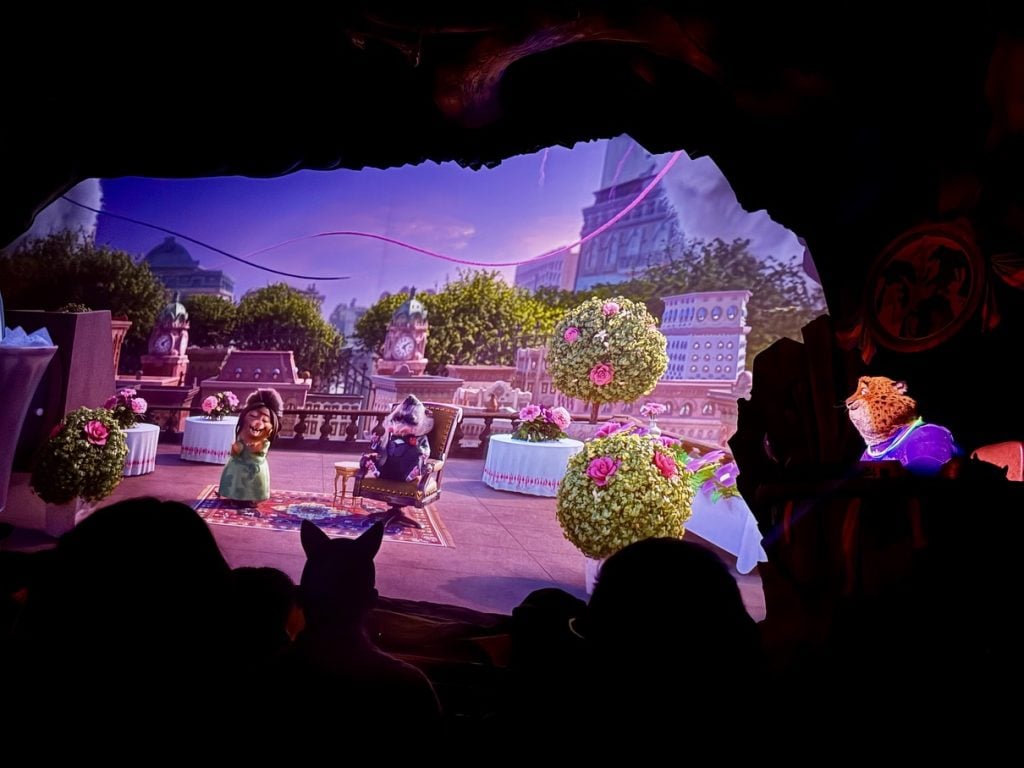
The most recent example is Zootopia: Better Zoogether, which replaced It’s Tough to Be a Bug inside the Tree of Life Theater. Where the previous show used its format to highlight insects as an essential part of the food chain, the new Zootopia experience drops nearly all educational framing. Instead of exploring animal habitats, biomes, or real-world parallels drawn from the films, the show presents itself as a fast-cut “livestream” hosted by familiar characters. It is energetic, recognizable, and appealing mostly to kids, sure, but it offers little connection to the park’s foundational themes. Forgive me, but just because a film features animals, doesn’t mean it fits inside Disney’s Animal Kingdom.
The Tree of Life remains a powerful symbol of interconnected ecosystems, but the message inside now feels completely disconnected from the space itself.

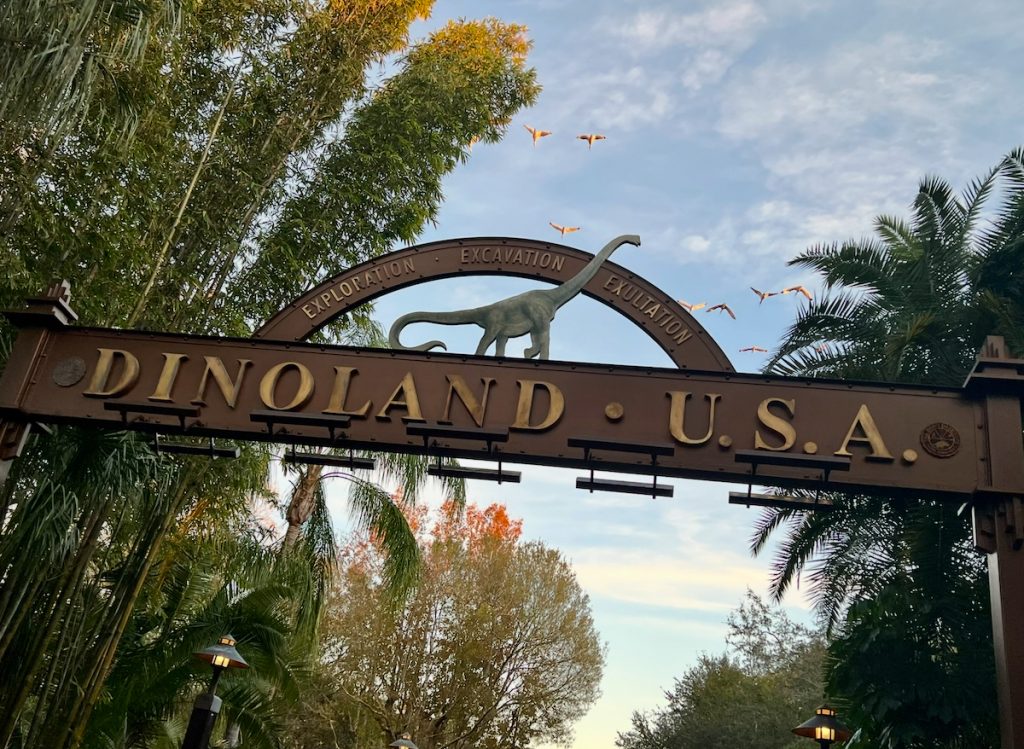
Meanwhile… DinoLand U.S.A., an area once dedicated to paleontology and Earth’s prehistoric past, is being completely removed, with new Indiana Jones and Encanto-themed attractions coming soon. While these projects are expected to be popular and technically impressive, their arrival comes at the cost of eliminating one of the last remaining areas of the park devoted to history, evolution, and scientific discovery. This is not an expansion, it’s a replacement of original, non-IP ideas – something I desperately wish Disney World would simply stop doing.


Disney’s Animal Kingdom has always used intellectual property, but earlier integrations served the park’s mission. Even Pandora – The World of Avatar focuses heavily on environmental respect and conservation, even within a fictional world.
Pandora – The World of Avatar is living proof that IP can work at the park when it is handled with intention and restraint. Rather than overpowering the park’s mission, Pandora leans into themes of environmental stewardship, interconnected ecosystems, and respect for nature, earning praise for how it fits Animal Kingdom’s original messaging. (It also helps that the land only replaced a mostly unused area of the park, but I digress.)

But recent additions lean harder on familiarity and brand recognition, with less effort to tie those stories back to real-world lessons. If more original ideas are off the table, I continue to hope they find ways to incorporate IP (if they simply must) alongside conservation storytelling as they have with the addition of Avatar.
To be clear, Disney still supports conservation in meaningful ways. The Disney Conservation Fund continues to donate millions to wildlife protection efforts. The park itself remains home to extensive animal care programs, research initiatives, and behind-the-scenes conservation work. That commitment has not disappeared. What feels diminished is how much of that mission is now shared directly with guests through attractions and storytelling.

— Photo: Disney
Animal Kingdom does not need to abandon recognizable franchises, but it does need to remember why it exists. This park was designed to make learning feel natural, emotional, and unforgettable. When education quietly slips out of the experience, something essential goes with it. How do you feel about it?