Disney CFO Hugh Johnston sat down at the MoffettNathanson Media, Internet & Communications Conference on Thursday, May 14, and gave a candid look at where Walt Disney World stands right now with capacity, pricing, and what a world full of screens means for a theme park business (…besides the premise and integration of Toy Story 5).
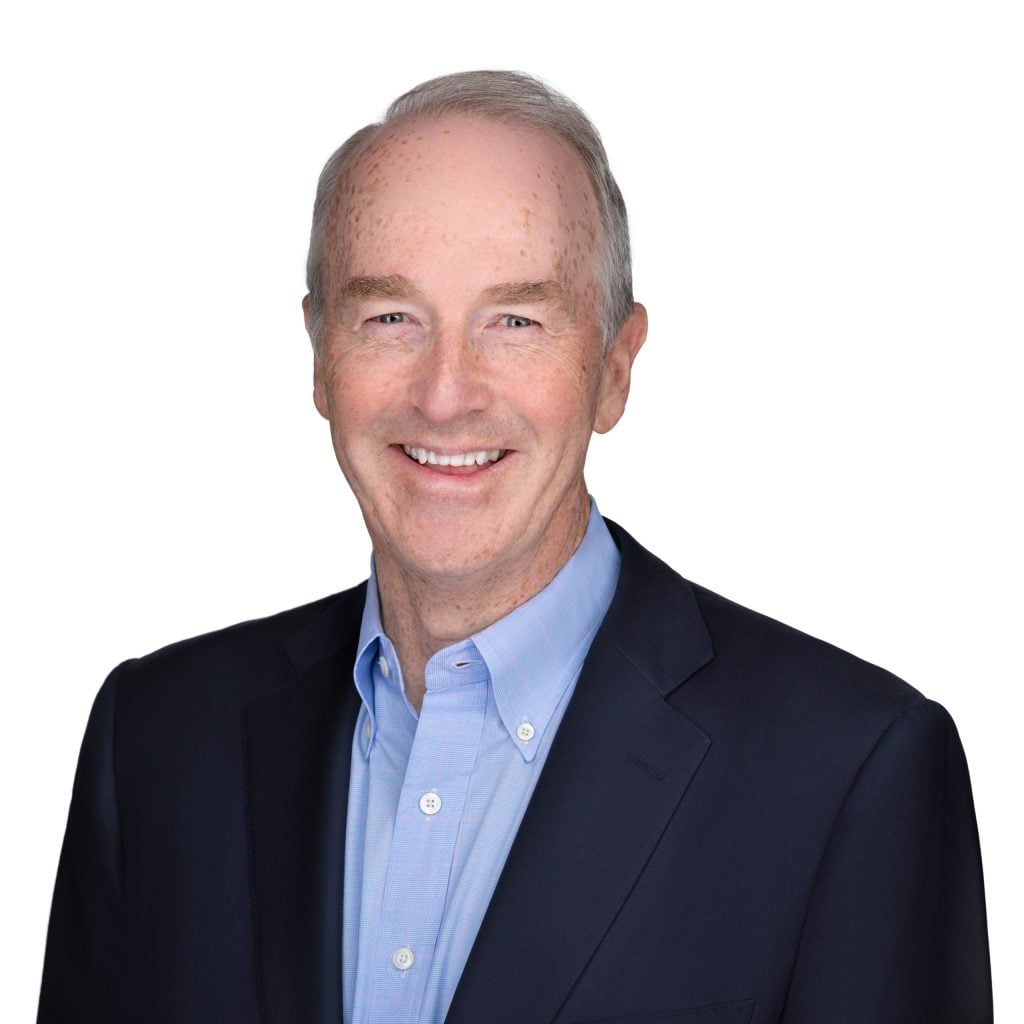
— Hugh Johnson, Chief Financial Officer of The Walt Disney Company
Disney is aware jamming more people into their parks makes the guest experience suffer, and they don’t want to do that. Johnston explained that Disney actively manages occupancy through promotions and discounting to keep parks full on a consistent basis. The limit in place is for a guest experience threshold. “We could jam more people into the park, but then the guest experience declines, and that’s actually bad for the brand, so you don’t want us to do that, and we don’t think it’s a good idea, either,” he said. Meaningful attendance growth, in his view, can only come through physical expansion.
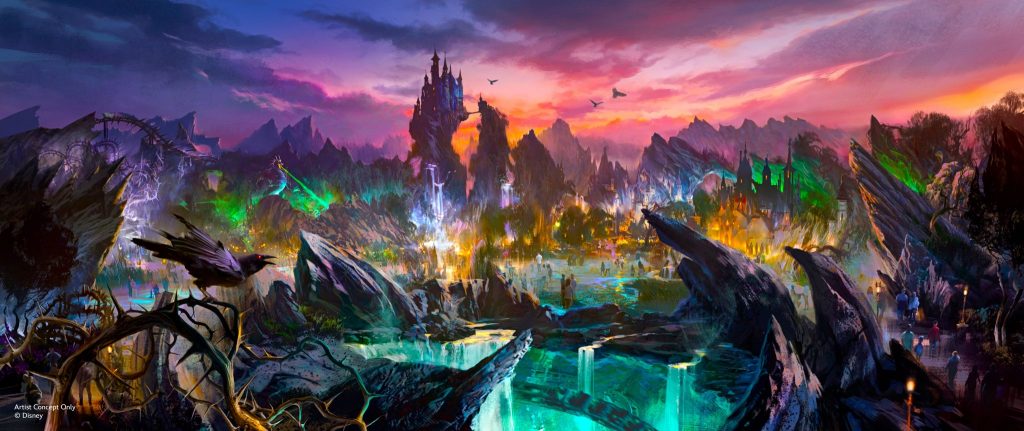
That expansion is already underway at Magic Kingdom, which is adding two new lands: a Villains-themed area with two major attractions, dining, and retail, and Piston Peak National Park, a Cars-themed land also anchored by two new rides. Globally, Disney has committed $60 billion to parks and cruise expansion.
What happens to pricing when a major new land opens? Johnston said the pattern seen at Disneyland Paris, where World of Frozen filled the park without any promotional discounting, is what Disney expects to repeat elsewhere. “That’s not been our experience,” he said, “because when you put in a big, new attraction, you see a surge in demand for it. So we tend to fill those things up really, really quickly without having to discount. In fact, it actually offers some ability to charge more because, essentially, you’re offering something new that wasn’t there before.”
Johnston also pushed back against treating attendance as the headline metric for park performance. “I wouldn’t overemphasize attendance as a critical variable,” he said, noting that the combination of yield and attendance together is what actually drives the business.
Perhaps the most counterintuitive point Johnston made was about AI. Rather than threatening the parks business, he argued that screen-based entertainment is actually increasing the value of shared physical experiences.

As families spend more time on devices and less time together, the emotional pull of a place like Walt Disney World or a Disney cruise grows stronger – and more worth paying for. That dynamic, Johnston suggested, is a meaningful part of why Disney is investing so heavily in expanding their parks and experiences in the first place.