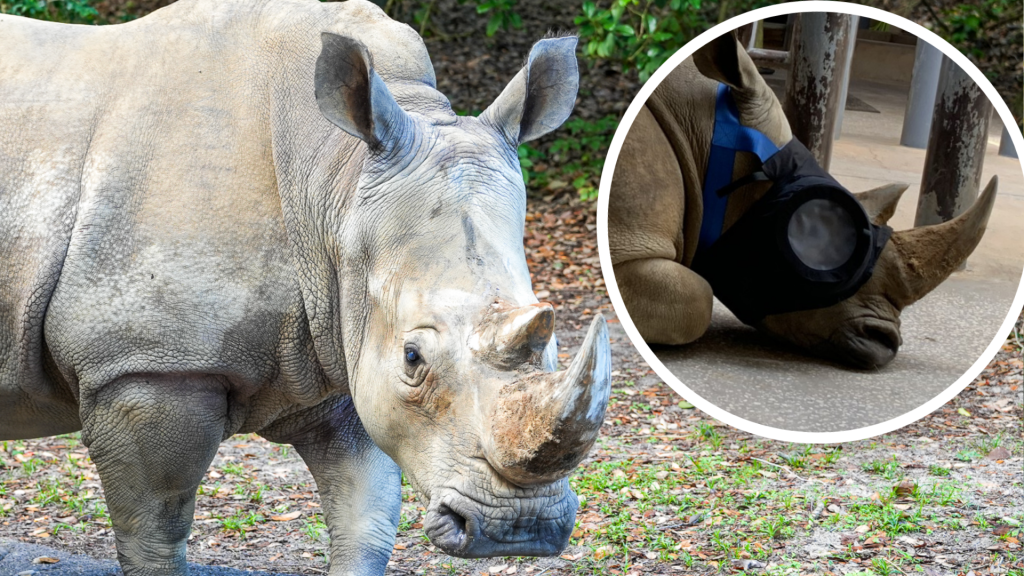
A longtime resident of Disney’s Animal Kingdom is seeing the world a little more clearly these days.
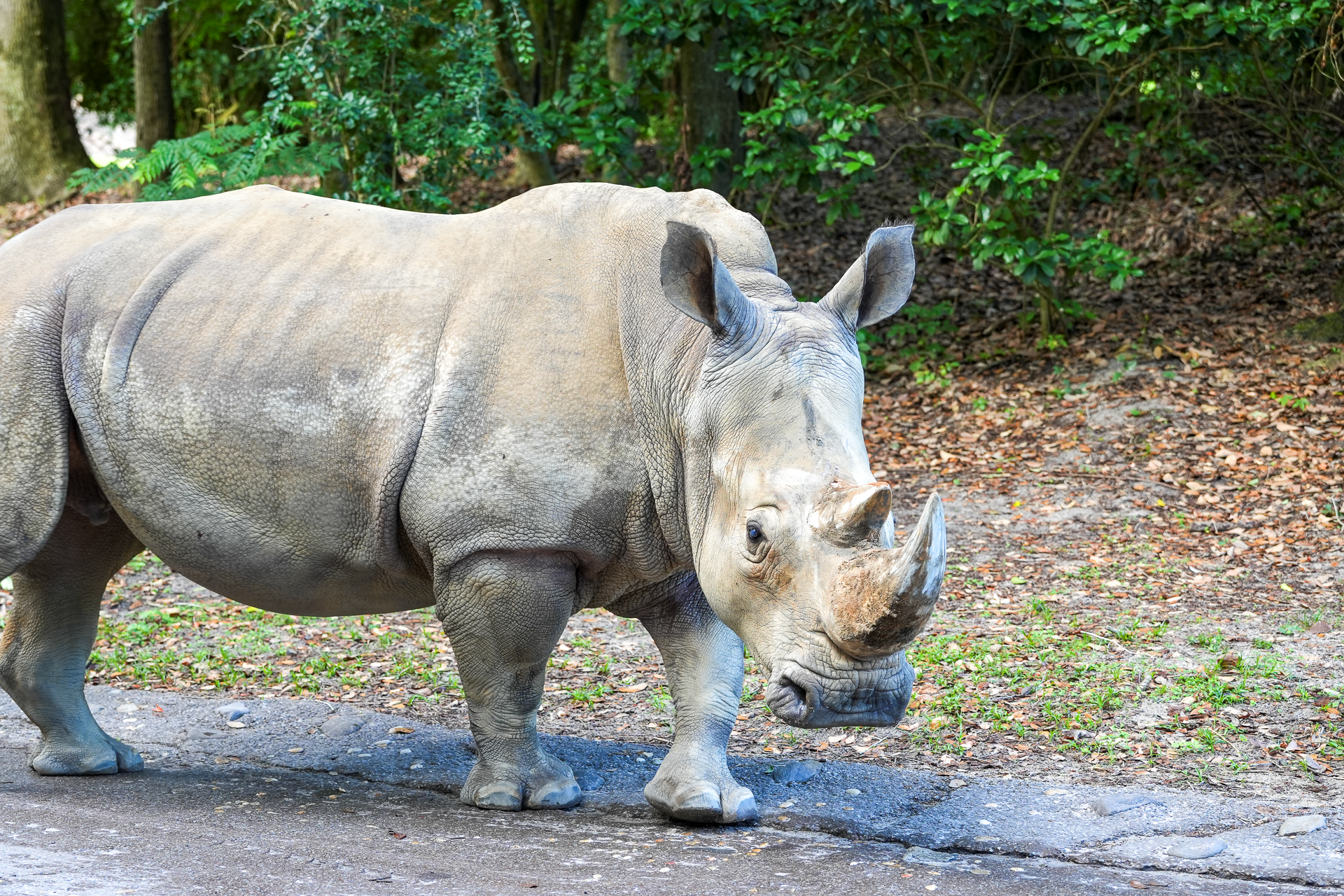
Kendi, a 27-year-old white rhino who has lived at the park her entire life, recently underwent a rare cataract removal procedure after Disney’s Animal Care team noticed a change in her right eye. Keepers observed cloudiness developing in the eye, prompting further examination by veterinarians.
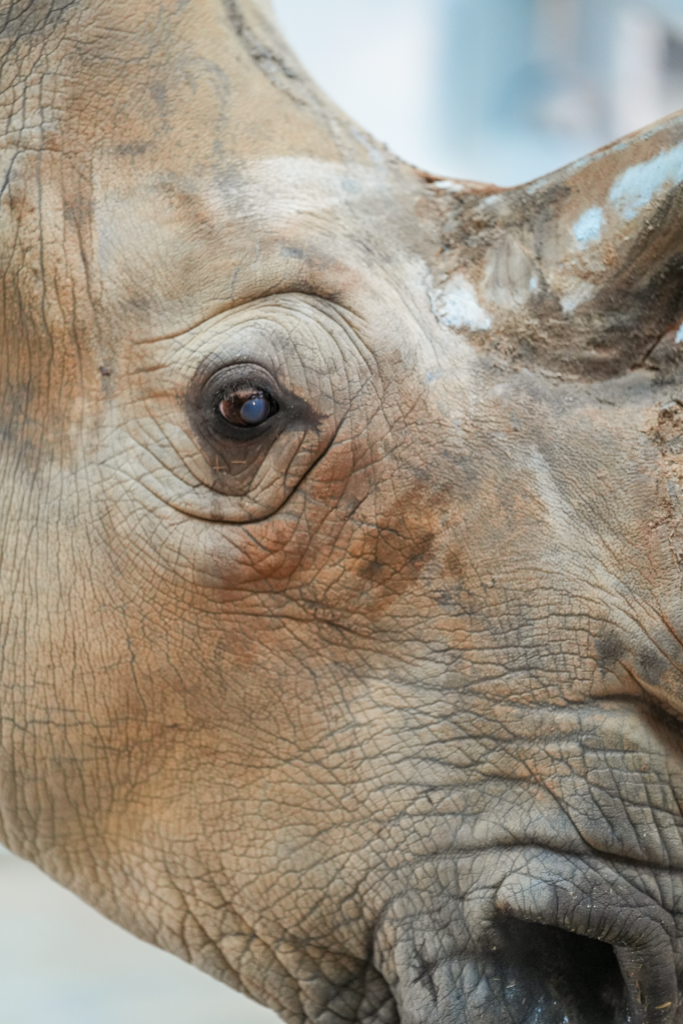
After evaluating Kendi, the veterinary team determined she had cataracts, a condition that causes the lens of the eye to become cloudy and can eventually lead to vision loss if left untreated. Because vision is an important part of how rhinos navigate their surroundings, locate food, and interact with their environment, Disney veterinarians decided to pursue surgery. Performing cataract surgery on a white rhino is extremely uncommon and required years of planning.
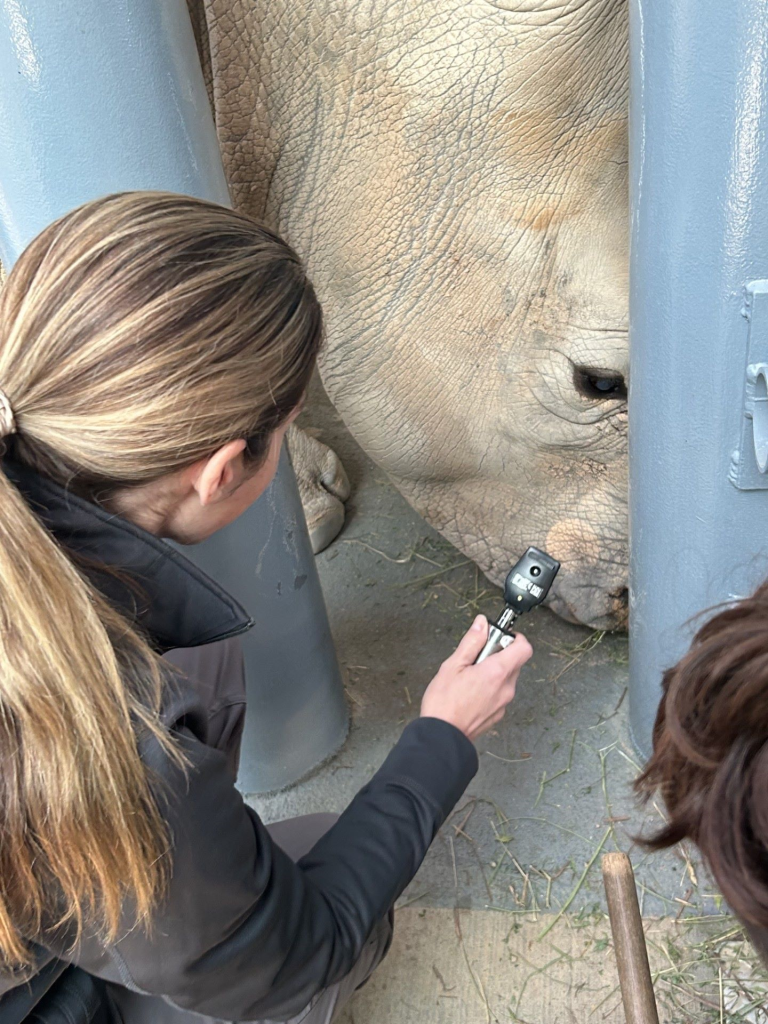
“I’ve planned for this one procedure more than any other in my life,” said Dr. Betsy. “It’s been one of the most rewarding moments of my career. The level of innovation pushed us to think differently – and ultimately raised the bar for what’s possible in veterinary care.”
Preparation for the surgery began years earlier. Animal care teams worked with Kendi to voluntarily receive eye drops, helping her become comfortable with a treatment routine that eventually involved medication several times a day. Disney veterinarians also partnered with specialists from the University of Florida to develop an approach suitable for one of the largest land mammals on Earth.
“It was truly an honor to be part of Kendi’s care. While cataract surgery is routine in humans, performing this type of procedure on an animal — especially one as large as a white rhino — presents extraordinary challenges,” said Dr. Caryn Plummer, ophthalmologist with the University of Florida.
“In Kendi’s case, the potential to restore her vision made every complexity worth navigating. This effort would not have been possible without the dedicated veterinary and animal care team at Disney, whose teamwork, professionalism, and unwavering commitment to Kendi’s safety were essential every step of the way. We’re hopeful that improved sight will make a meaningful difference in Kendi’s quality of life.”
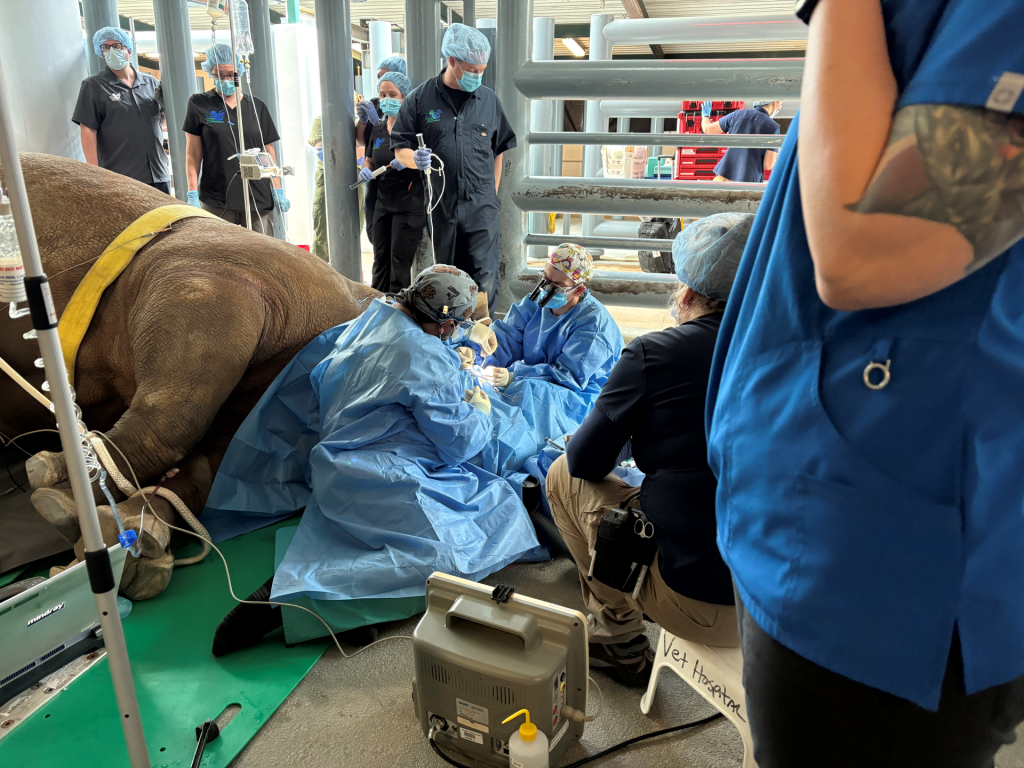
Following the successful procedure, Kendi required extensive post-operative care. Disney’s costuming team spent two years creating a custom protective eye mask designed specifically for her. The unique mask helped shield her healing eye while still allowing caretakers to administer medication.
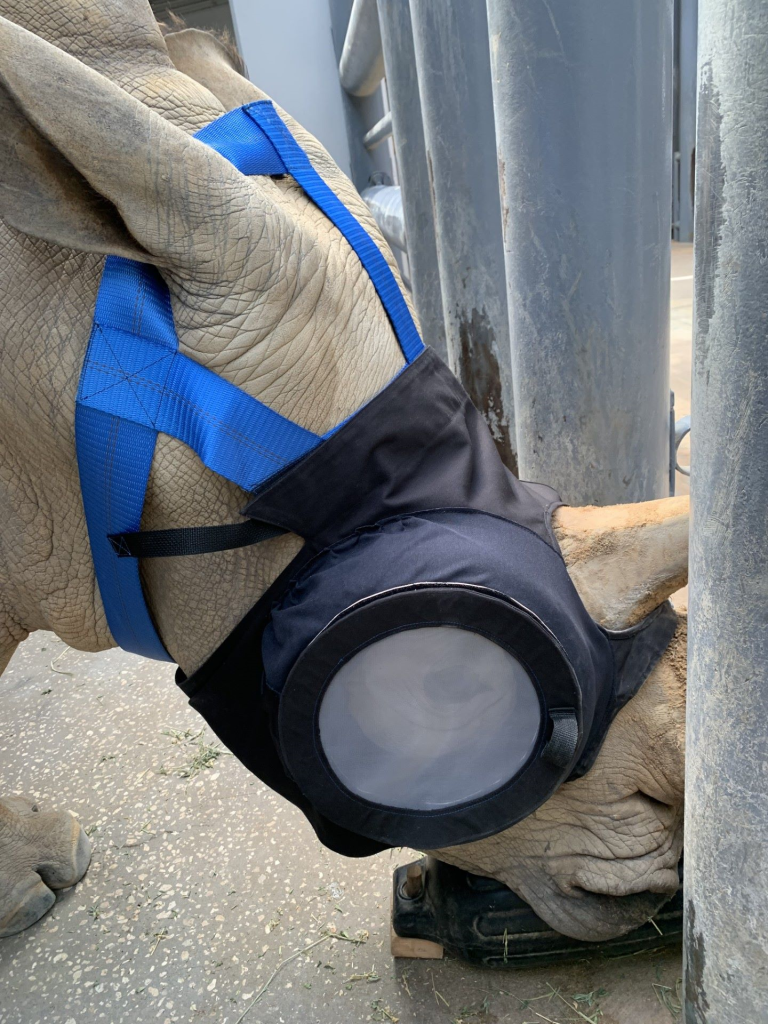
“This was definitely outside the scope of what our team is usually asked to do,” said Tracy, a costuming manager. “But nothing about this project was ordinary. We worked closely with the Animal Care teams to design a fully custom solution – one that suited Kendi’s anatomy and supported her comfort and recovery every step of the way.”
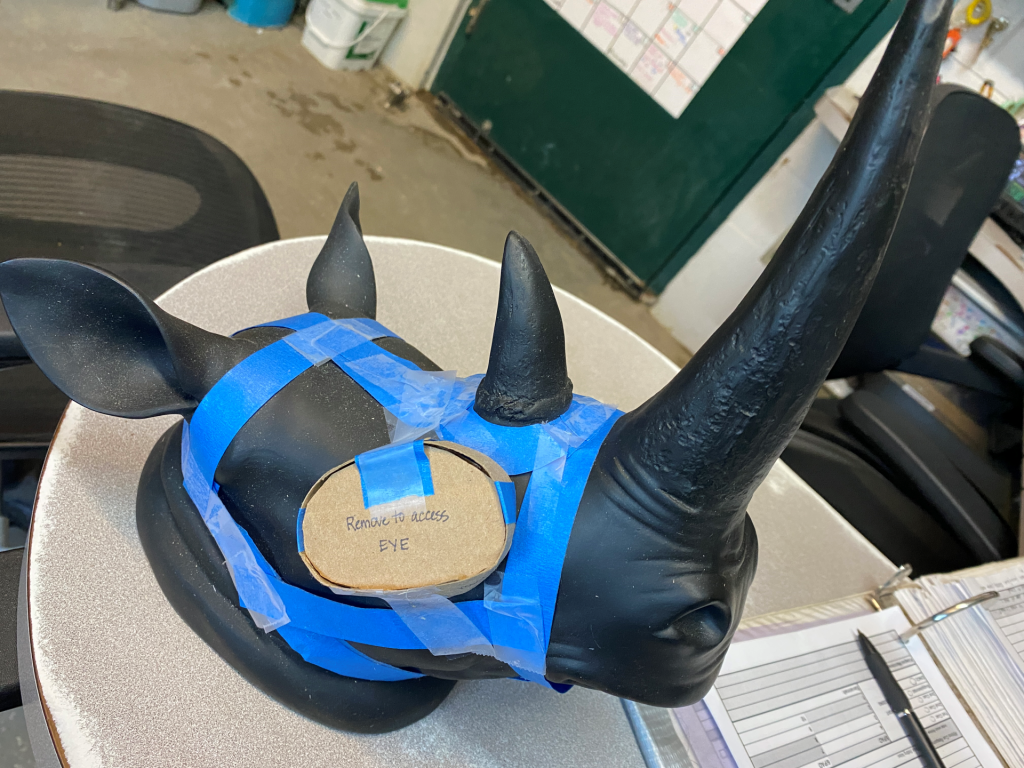
Today, Kendi has returned to the savanna (as seen on Kilimanjaro Safaris) at Disney’s Animal Kingdom. Her case not only helped restore her eyesight but may also benefit rhino care elsewhere, as Disney and University of Florida experts plan to share what they learned with the broader veterinary community.
White rhinos are currently classified as near threatened in the wild, making advancements in their care and conservation especially meaningful.