Lately, Walt Disney Imagineering almost feels like two completely different creative teams. There is the version of Imagineering working inside the theme parks themselves, and then there is the side handling the resort and DVC expansions. The difference between the two has become hard to ignore.
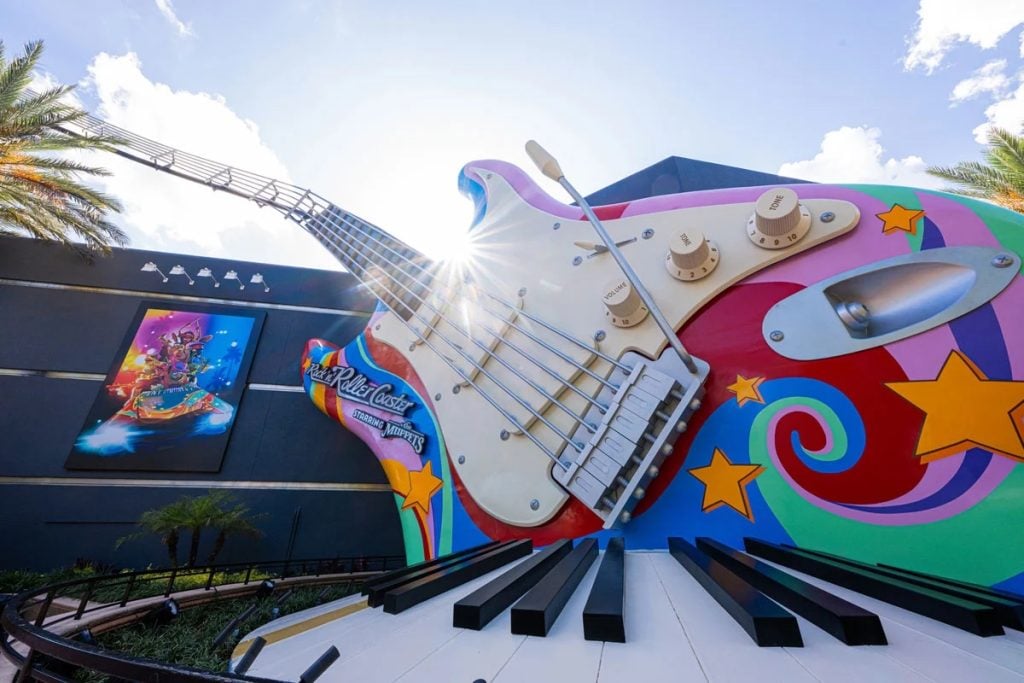
Inside the parks, Imagineering has been on a hot streak. Project after project feels thoughtful, polished, and full of the creativity Disney fans have been asking for. Big Thunder Mountain Railroad’s updates look fantastic, although yes, bring back the Marc Davis opossums. Buzz Lightyear’s Space Ranger Spin is now a modern interactive ride that needed this love years ago. The Muppets taking over Rock ‘n’ Roller Coaster somehow looks both chaotic and perfect. Test Track 3.0 already feels like a major improvement over the sterile 2.0 version.
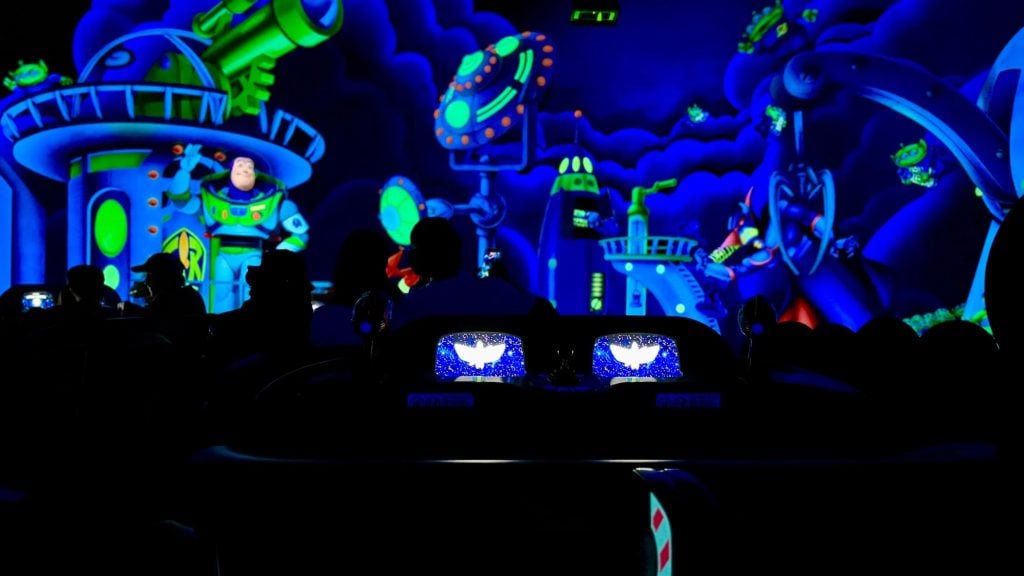
Even smaller changes have shown encouraging signs. Replacing the projected faces on the Frozen Ever After animatronics with physically moving faces may sound minor, but details like that matter to theme park fans. Smugglers Run also getting upgraded experiences instead of being left stagnant, which shows Disney understands attractions need to evolve to stay exciting. Overall, the parks still feel creative, immersive, and distinctly Disney.
Then there are the resorts. This is where things start to fall apart. The recent trend of minimally themed DVC towers feels completely disconnected from what made Disney resorts special in the first place. Disney keeps leaning into sleek modern luxury hotels that often feel closer to a high-end Hilton or Marriott with a few hidden Mickeys than an actual Disney resort experience. This is a point that has been made long ago, really as far back as the first concept art for The Island Tower at Disney’s Polynesian Villas & Bungalows. But I have more to say on it.
I understand why Disney is doing it. Over-the-top themed resorts are probably far more expensive and time-consuming to design and build. It is much easier to create modern hotel towers with safer, more standardized designs. In the short term, these resorts will still fill up because they are new, shiny, and on Disney property, but Disney resorts became iconic because they felt timeless. The theming was the point. The Disney Bubble worked because you felt transported somewhere else entirely the moment you arrived. If the resorts start feeling too close to the real world, then they stop feeling distinctly Disney.
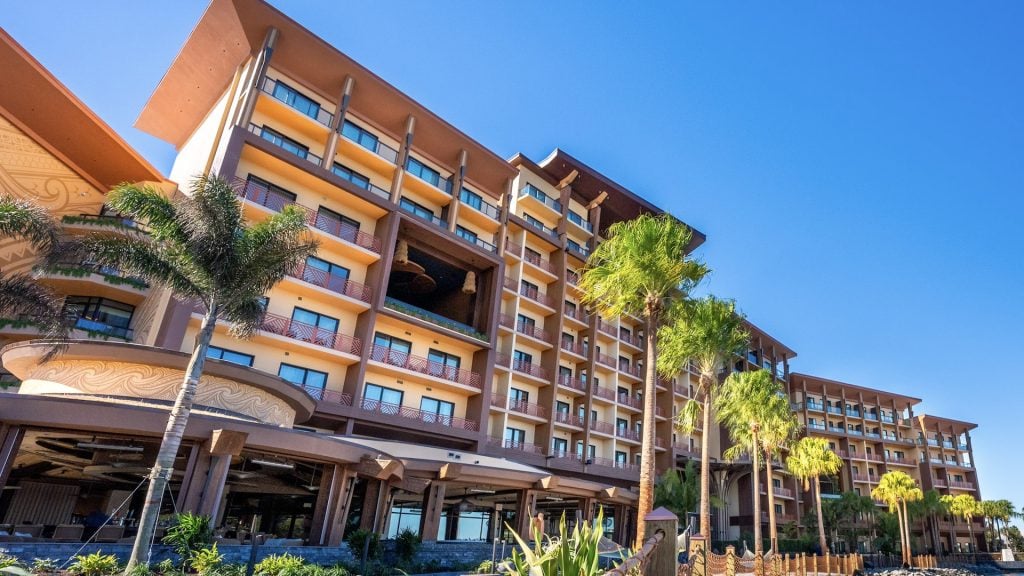
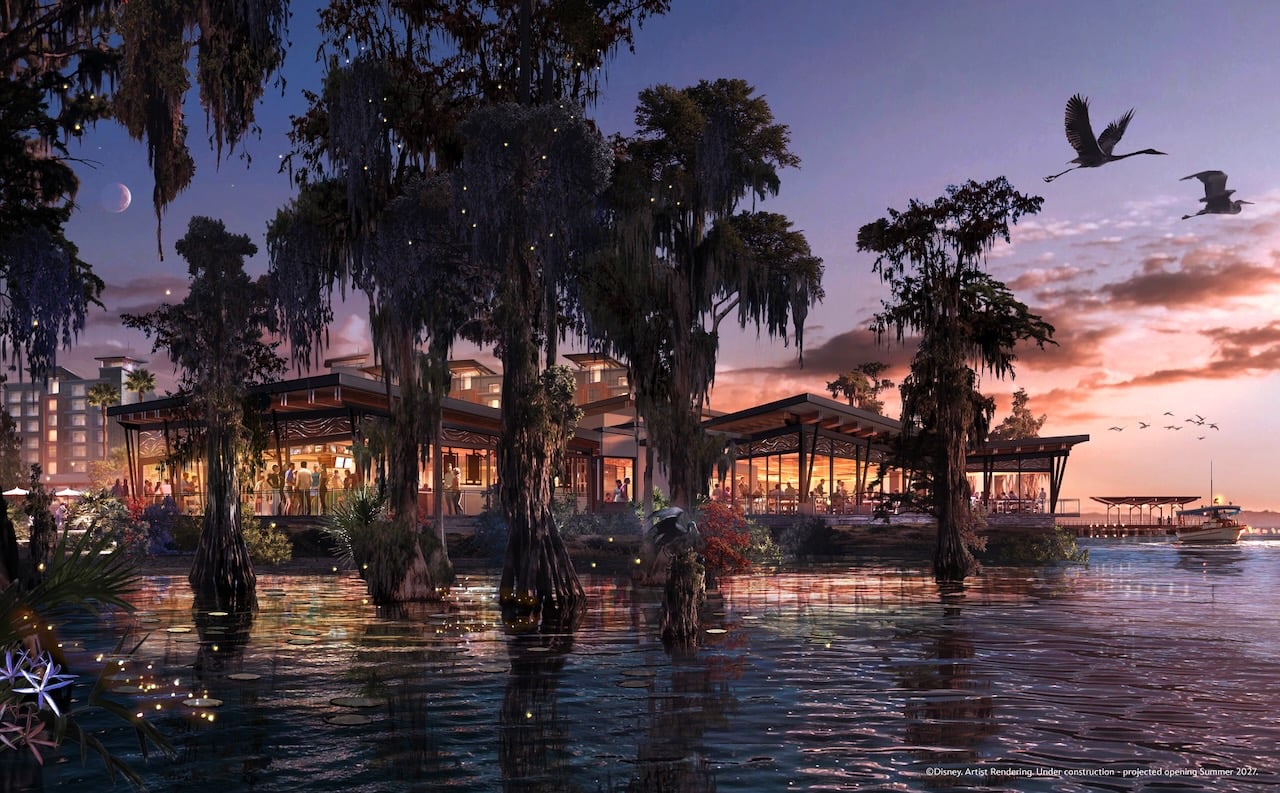
The Island Tower at Disney’s Polynesian Villas & Bungalows is a perfect example. The building itself looks beautiful and impressive, but it also feels completely out of place at the Polynesian. As a luxury hotel, it succeeds. As an immersive Disney resort addition, it feels generic. The same concern applies to the upcoming Disney Lakeshore Lodge. The concept art looks pretty, but it also looks like a resort you could find in almost any luxury vacation destination.
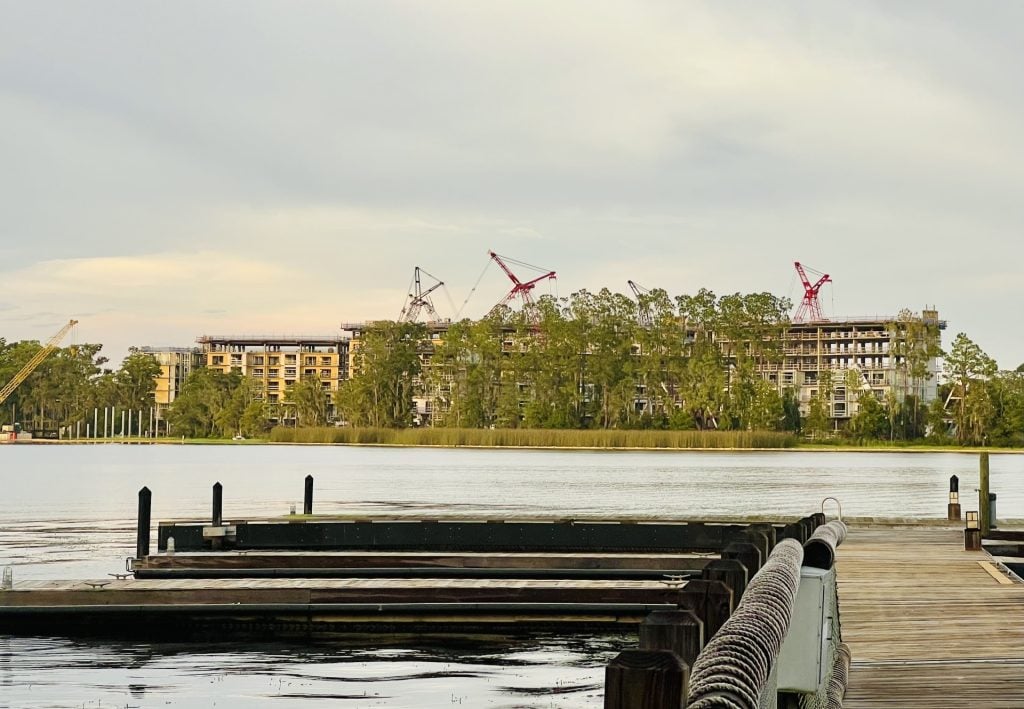
The bigger issue is that these massive towers impact more than just the guests staying there. They change the atmosphere of the surrounding resorts too. Areas around Fort Wilderness and Wilderness Lodge once felt peaceful, isolated, and deeply tied to classic Disney storytelling. Now those views are increasingly dominated by giant hotel structures that chip away at that immersion. The whole Pioneer Hall area is now in the shadows of a massive tower in what once felt like the wilderness.
That’s the frustrating part. The parks themselves feel like they are moving in the right creative direction, while the resort side increasingly feels driven by maximizing DVC inventory and following modern hotel trends at the expense of theming and storytelling. Right now, it almost feels like there are two versions of Imagineering operating at once. One is still obsessed with building immersive worlds. The other seems increasingly comfortable building expensive hotel boxes with Disney branding attached to them to maximize profits at all costs.